
Home / Blogs
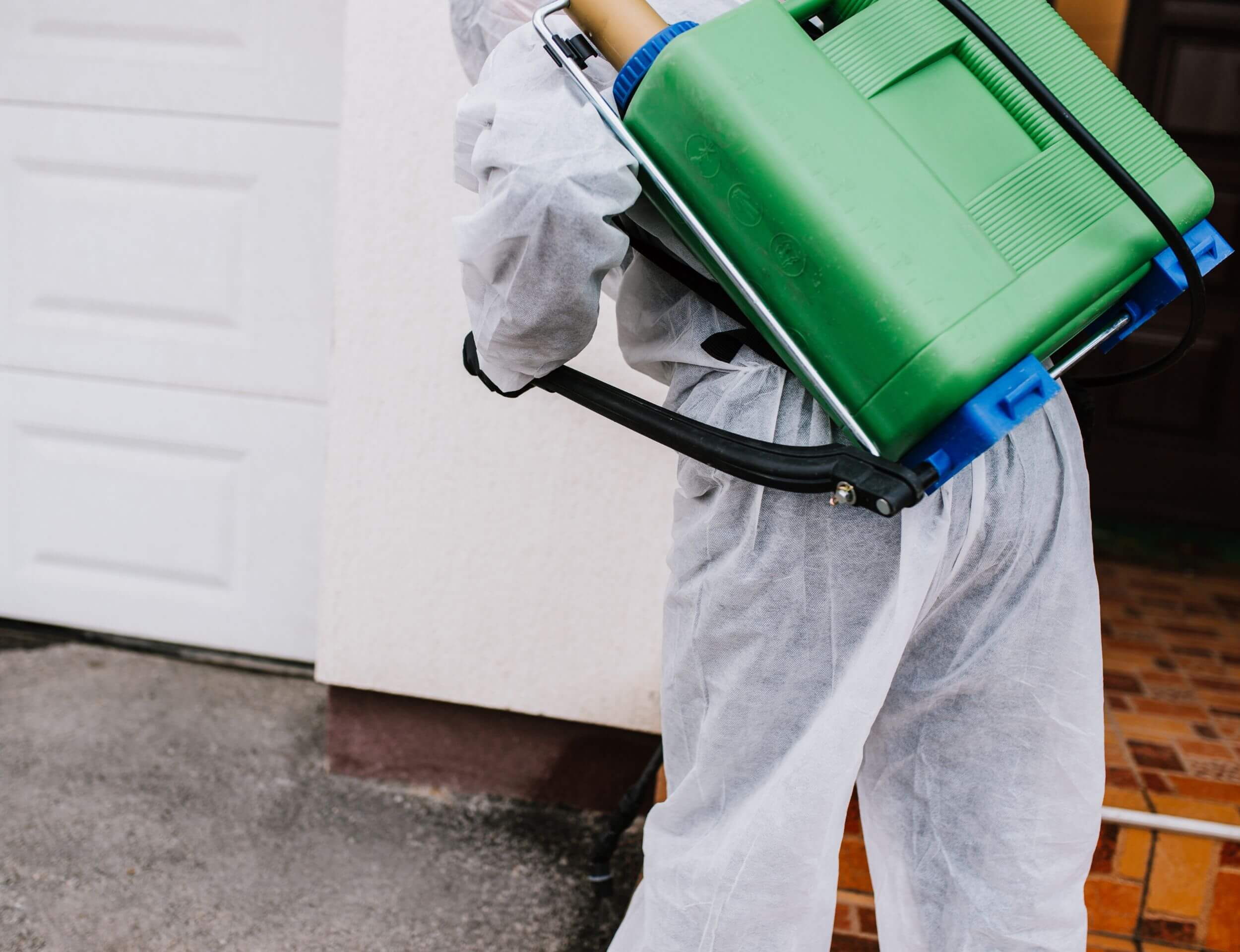
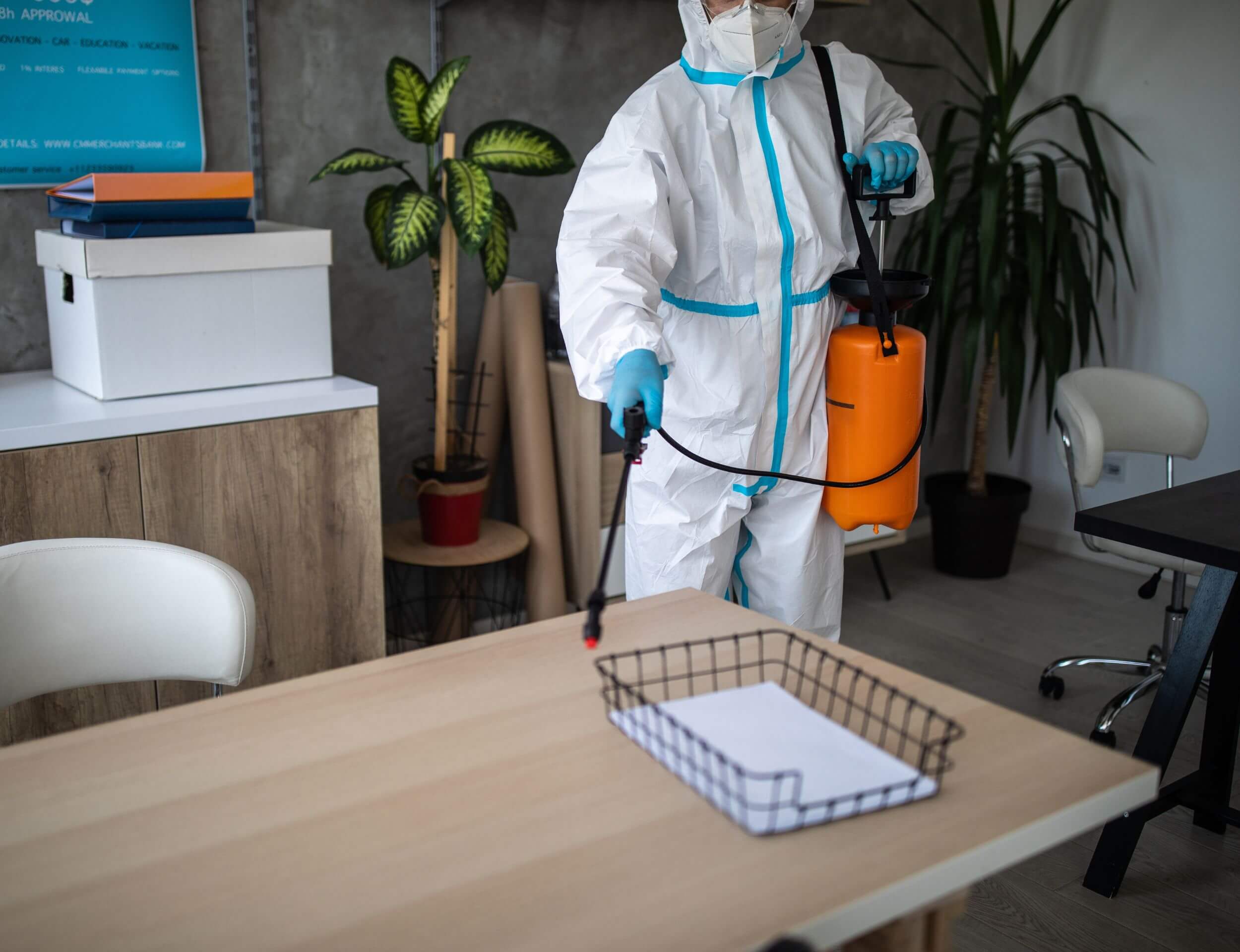
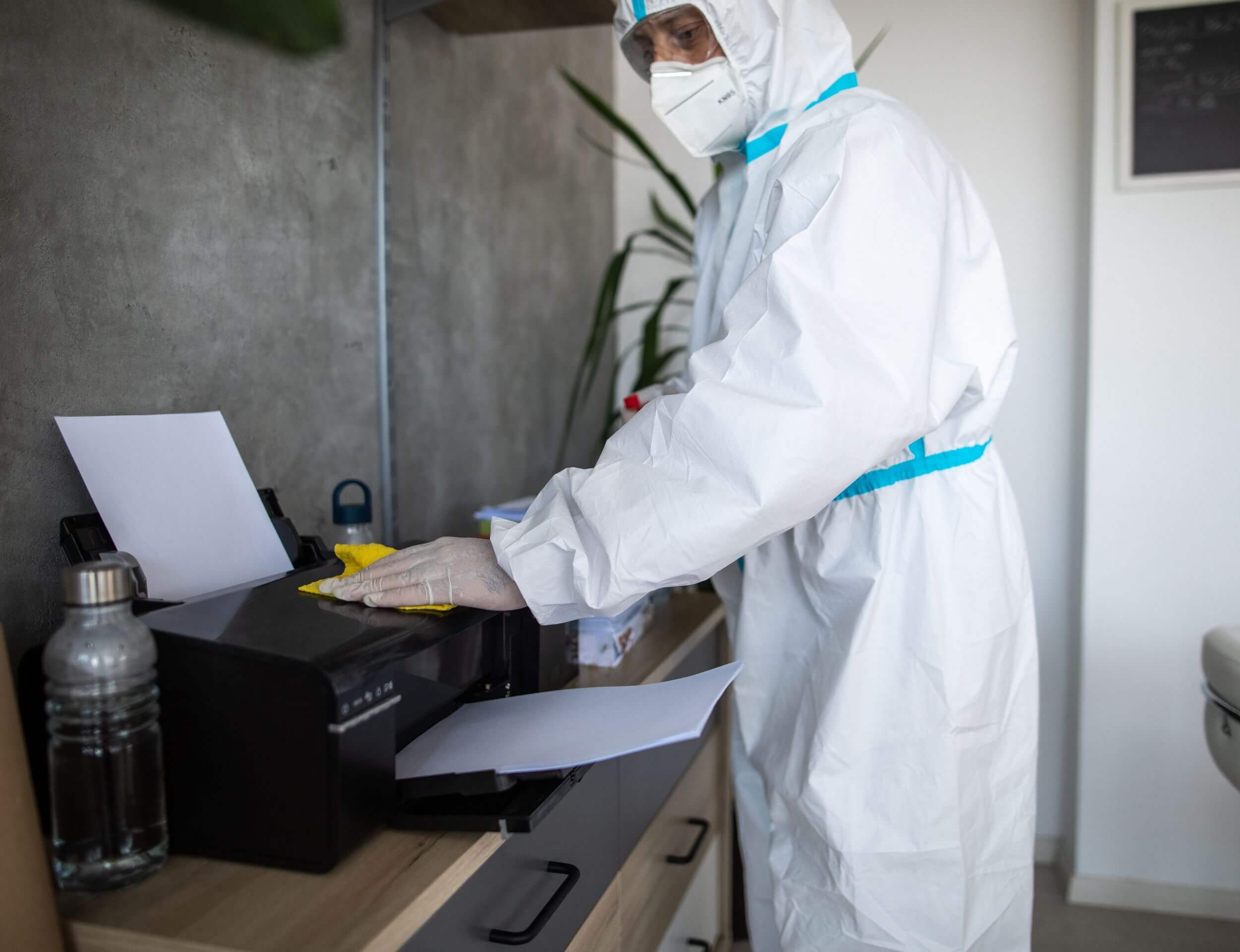
A bio-decontamination service is a thorough cleaning and disinfection process that aims to remove harmful pathogens, bacteria, viruses, and other contaminants from a specific area. This service is typically used in environments where there is a heightened risk of contamination, such as hospitals, laboratories, offices, or even after a health outbreak. Here’s what to expect during a bio-decontamination service:
1. Initial Assessment and Consultation Evaluation of the Area: Before starting, the service provider will assess the space to determine the extent of contamination. This includes identifying high-risk areas, the type of contaminants present, and the specific needs of the area being cleaned. Discussion of the Process: You’ll be briefed on the decontamination process, including the steps involved, the time required, and any necessary precautions that need to be taken during the service.
2. Preparation of the Area Securing the Space: The area to be decontaminated will often need to be isolated to ensure no one enters during the procedure. The service provider will typically use barriers, signage, or tape to limit access and prevent cross-contamination. Personal Protective Equipment (PPE): The cleaning technicians will wear PPE, including gloves, masks, goggles, and sometimes full-body suits, to protect themselves from exposure to harmful contaminants during the cleaning process. Removal of Non-Essential Items: Any non-essential items, such as personal belongings, equipment, or furniture, may be removed or covered to avoid accidental contamination or damage during the service.
3. Disinfection and Decontamination Process Application of Decontamination Agents: Specialized cleaning agents, such as EPA-approved disinfectants or chemical sterilizers, will be applied to surfaces. These chemicals are designed to kill bacteria, viruses, and other harmful pathogens on contact. Targeted Cleaning: The service will focus on high-touch surfaces, such as doorknobs, light switches, countertops, computer keyboards, and other frequently used areas. Depending on the situation, air ducts and HVAC systems may also be sanitized. Fogging or Spraying: In some cases, bio-decontamination involves the use of fogging or spraying machines to disperse disinfectants in the air and on surfaces. This technique allows for thorough coverage of hard-to-reach areas and ensures that the entire space is decontaminated. Deep Cleaning: For more serious contamination (such as biohazardous materials or mold), the process may involve deep cleaning, including scrubbing and the use of specialized equipment like HEPA vacuums.
4. Post-Decontamination Evaluation Verification of Results: After the decontamination process is complete, the technicians will check the space to ensure that all areas have been properly cleaned and sanitized. In some cases, swab tests or pathogen testing may be done to verify that contaminants have been effectively eliminated. Air Quality Testing: If air quality is a concern (especially after mold removal or disinfecting after a viral outbreak), air samples may be tested to ensure that harmful pathogens or particles are no longer present.
5. Ventilation and Drying Ventilation of the Space: After the decontamination agents have been applied, the area is typically ventilated to allow for proper drying and to clear any residual chemicals or disinfectant fumes from the space. This is essential for safety and comfort. Time to Dry: Depending on the cleaning agents used and the extent of the decontamination, the space may need some time to dry. You’ll be informed of how long to wait before it is safe to re-enter the space.
6. Re-entry and Post-Service Instructions Safety Clearance: Once the area is thoroughly cleaned, dried, and tested (if applicable), the space will be cleared for re-entry. You’ll be informed when it is safe to return. Ongoing Maintenance Recommendations: The service provider may offer recommendations for ongoing cleaning or maintenance to ensure that the space remains safe and sanitary. This might include regular disinfection services, ventilation checks, or additional safety protocols.
7. Documentation and Reporting Service Report: A detailed report is often provided after the bio-decontamination service, which may include an outline of the procedures carried out, the disinfectants used, and any additional recommendations for maintaining the cleanliness of the space. Certification of Decontamination: In certain industries, especially healthcare and laboratories, a certificate of decontamination may be issued to confirm that the area has been treated in compliance with health and safety regulations.
A decontamination and infectious disease control company, provides environmental solutions for surface and air decontamination/sterilisation.
ISO45001 Health and Safety Management, ISO14001 Environmental Management and ISO9001 Quality Management Certified as well as BizSafe Star certified.